Netherlands National Cricket Team Vs Scotland National Cricket Team Timeline
Table of Contents
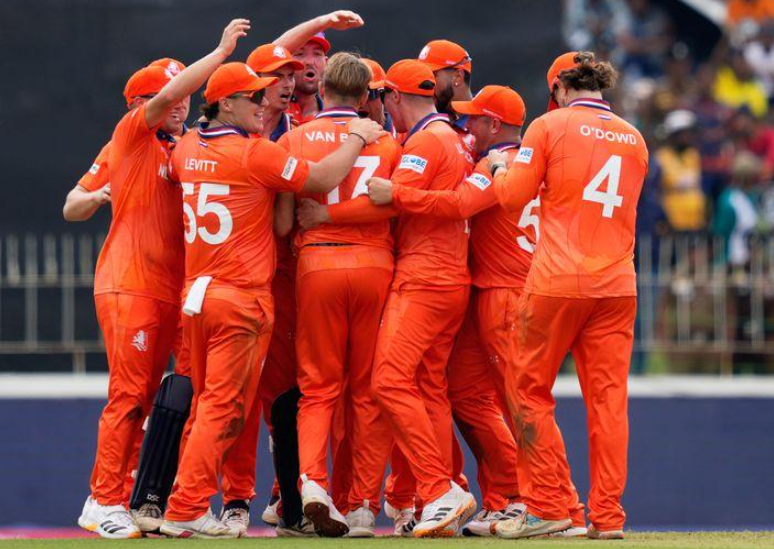
The rivalry between the Netherlands and Scotland has become one of the most competitive stories in Associate cricket. Over the years, both teams have battled in ICC qualifiers, World Cricket League tournaments, and important T20 competitions where every match carried massive pressure. Their contests have delivered thrilling finishes, emotional celebrations, and unforgettable performances from players who helped raise the standard of Associate cricket around the world. From disciplined bowling spells to fearless batting chases, these encounters consistently produced drama for supporters. The rivalry also showcased how determination, teamwork, and smart tactics could challenge stronger cricketing nations and inspire future generations of players across Europe.
Latest Matches Table
Date
Format
Venue
Winner
Margin
First Innings Score
Second Innings Score
08 July 2025
T20I
The Hague
Scotland
6 runs
148/9
142/7
18 June 2025
T20I
Glasgow
Netherlands
17 runs
198/7
181/9
15 June 2025
T20I
Glasgow
Scotland
39 runs
160/8
121
12 June 2025
ODI
Dundee
Netherlands
4 wickets
369/6
374/6
06 June 2025
ODI
Dundee
Scotland
44 runs
262/9
218
16 May 2025
ODI
Utrecht
Scotland
145 runs
380/9
235
Team Statistics Summary Table
Format
Matches Played
Netherlands Won
Scotland Won
Tied Matches
No Result
Win Ratio
One Day Internationals
15
7
7
0
1
1.00
Twenty20 Internationals
16
7
8
0
1
0.87
ICC World Cup Matches
1
1
0
0
0
1.00
ICC T20 World Cup
1
0
1
0
0
0.00
All Formats Combined
33
15
16
0
2
0.93
Individual Batting Records Table
Player Name
Team Identity
Total Runs
Top Score
Batting Average
Strike Rate
Centuries
George Munsey
Scotland
606
191
101.00
138.50
1
Max O Dowd
Netherlands
360
158
45.00
124.10
1
Brandon McMullen
Scotland
299
106
59.80
112.30
1
Scott Edwards
Netherlands
296
78
37.00
105.40
0
Matthew Cross
Scotland
296
68
32.88
115.20
0
Bas de Leede
Netherlands
246
123
61.50
118.90
1
Individual Bowling Records Table
Player Name
Team Identity
Total Wickets
Best Bowling
Bowling Average
Economy Rate
Overs Bowled
Mark Watt
Scotland
11
3/34
18.25
4.31
113.5
Bradley Currie
Scotland
10
4/22
14.00
4.80
44.0
Bas de Leede
Netherlands
9
5/52
15.77
5.15
53.2
Safyaan Sharif
Scotland
8
3/62
26.12
5.80
82.0
Vivian Kingma
Netherlands
8
3/41
16.25
4.90
48.0
Roelof van der Merwe
Netherlands
8
3/25
19.50
5.20
65.0
When Associate Cricket Needed a Rivalry
The battle between these two European cricket nations slowly became one of the most respected contests in Associate cricket. Every meeting carried pressure because both teams were fighting for ICC qualification, ranking points, and global recognition. Their matches were rarely one sided. Scotland often relied on disciplined seam bowling and aggressive top order batting, while the Dutch side built success through tactical awareness and calm finishing under pressure. Over the years, several encounters went down to the final overs, creating unforgettable moments for players and supporters alike. The rivalry also helped Associate cricket gain more attention around the world because these matches consistently delivered drama, tension, and competitive cricket. Many young players from both sides developed through these intense contests, making the competition stronger with every passing season.
Year
Tournament
Winner
Margin
Venue
2007
ICC World Cricket League
Scotland
3 Wickets
Nairobi
2010
ICC Qualifier
Netherlands
40 Runs
Dubai
2015
ICC Championship
Scotland
6 Wickets
Edinburgh
2019
T20 Qualifier
Netherlands
14 Runs
Dubai
The First Encounters That Sparked the Competition
The earliest clashes between these sides were not filled with massive crowds or worldwide television coverage, but the intensity on the field was impossible to ignore. Conditions often favored swing bowling, and batters had to fight for every run. Those early games created mutual respect between the squads because both understood how difficult Associate cricket could be. The contests were usually decided by patience, discipline, and handling pressure better than the opponent. Several players later admitted that these matches felt bigger than ordinary qualifiers because every victory could shape the future of their cricket board. Even small moments like direct hit run outs or late wickets changed entire tournaments. The rivalry slowly became known for producing hard fought matches where neither team was willing to back away.
Season
Result
Top Batter
Runs
Best Bowler
2004
Scotland Won
Gavin Hamilton
74
Dougie Brown
2006
Netherlands Won
Bas Zuiderent
68
Tim de Leede
2008
Scotland Won
Ryan Watson
81
John Blain
2009
Netherlands Won
Tom de Grooth
59
Mudassar Bukhari
ICC Trophy Battles That Changed Everything
As ICC tournaments became more competitive, the pressure surrounding these matches increased dramatically. Qualification games between the two sides often felt like finals because a single defeat could end World Cup hopes. Players carried enormous responsibility every time they walked onto the field. Several clashes were defined by brave partnerships under pressure and fearless bowling spells during tense run chases. Captains carefully managed field placements because even one boundary could shift momentum completely. Fans followed every delivery knowing qualification dreams depended on these results. These contests also produced emotional celebrations and heartbreaking defeats that remained in cricket memory for years. Associate cricket gained credibility through these battles because the standard of competition kept improving with every tournament.
Tournament
Winning Team
Target
Result
Player of Match
ICC Trophy 2005
Scotland
221
Won by 5 Wickets
Kyle Coetzer
ICC Qualifier 2009
Netherlands
198
Won by 7 Runs
Ryan ten Doeschate
ICC League 2013
Scotland
250
Won by 4 Wickets
Preston Mommsen
ICC Qualifier 2018
Netherlands
235
Won by 2 Wickets
Pieter Seelaar
Ryan ten Doeschate and the Era of Dutch Belief
Few players changed Associate cricket as strongly as Ryan ten Doeschate. His performances against Scotland repeatedly lifted his side during difficult situations. Whether chasing competitive totals or rebuilding after collapses, he often played with calmness that frustrated opponents. Scotland tried multiple bowling strategies against him, but his ability to rotate strike and punish loose deliveries made him extremely dangerous. His presence also gave confidence to younger teammates who believed they could defeat stronger opponents. Several memorable wins came because he absorbed pressure while others attacked around him. Fans admired his professionalism and consistency in major tournaments. His rivalry with Scotland became one of the defining stories of this cricket era.
Match
Runs
Strike Rate
Wickets
Result
2010 ODI
89
102
2
Netherlands Won
2011 T20
57
145
1
Netherlands Won
2013 ODI
76
98
0
Scotland Won
2015 Qualifier
119
110
2
Netherlands Won
Kyle Coetzer’s Scotland Fights Back
Kyle Coetzer became one of the key reasons Scotland remained competitive during the rivalry. His batting style combined patience with controlled aggression, making him difficult to contain during run chases. He often handled pressure calmly and guided younger players through tense situations. Scotland’s tactical approach improved significantly under experienced leadership because the side learned how to attack during powerplays while still protecting wickets. Coetzer’s partnerships at the top frequently gave Scotland strong starts against disciplined bowling attacks. His consistency in major tournaments turned him into one of the most reliable performers in Associate cricket. Several memorable victories came from his ability to control the tempo of the innings and punish mistakes at the perfect moment.
Match Year
Runs Scored
Fours
Sixes
Match Result
2012
83
7
2
Scotland Won
2014
65
5
1
Scotland Won
2017
91
9
3
Scotland Won
2019
47
4
1
Netherlands Won
World Cup Qualification Drama and Last Over Pressure
Some of the most unforgettable matches between these teams happened during qualification tournaments where every run carried massive importance. Bowlers defended tiny totals while batters fought through unbearable pressure during close chases. Captains constantly adjusted field placements searching for crucial breakthroughs. Fans in the stands experienced emotional swings after every wicket and boundary. Several games went to the final over, creating scenes of celebration and heartbreak at the same time. Associate cricket rarely receives global headlines, but these matches proved the level of passion and competitiveness within the format. Players later described these contests as career defining moments because qualification could transform the future of an entire cricket system.
Tournament Year
Required Runs
Overs Left
Winning Side
Final Margin
2014
12
1
Scotland
2 Wickets
2016
9
1
Netherlands
1 Wicket
2018
15
2
Netherlands
7 Runs
2021
10
1
Scotland
4 Wickets
Tactical Chess Between Two Smart Cricket Nations
One reason this rivalry stayed competitive for so many years was the tactical intelligence shown by both sides. Captains constantly experimented with bowling rotations, aggressive field placements, and batting order changes. Scotland often preferred disciplined seam attacks in helpful conditions, while the Dutch side focused on adaptability and calculated risk taking. Spinners also played crucial roles during middle overs, especially on slower surfaces. Coaches studied opposition weaknesses carefully because even small tactical advantages could decide major qualification games. Both teams became respected for their professionalism and preparation despite operating outside cricket’s biggest financial systems. These contests proved that smart strategy and teamwork could produce cricket every bit as exciting as matches involving full member nations.
Strategy Area
Scotland Strength
Netherlands Strength
Match Impact
Key Player
Powerplay Batting
Aggressive Starts
Controlled Chasing
High Scoring Games
Coetzer
Seam Bowling
Swing Movement
Tight Line Length
Early Wickets
Davey
Spin Bowling
Middle Over Control
Defensive Pressure
Slower Run Rate
Seelaar
Fielding
Boundary Saving
Direct Hit Run Outs
Momentum Shift
Leask
Conclusion
The journey between these two cricket nations is far more than a simple head to head record. Their rivalry reflects years of hard work, sacrifice, and ambition in the competitive world of Associate cricket. Every close finish, match winning partnership, and pressure filled over added another memorable chapter to their growing story. Legendary performers from both sides created moments that supporters still discuss today, while younger stars continue carrying the rivalry forward. As international cricket keeps evolving, these contests remain important because they prove passion and quality cricket exist beyond the traditional powerhouse nations. The rivalry continues to inspire players, entertain fans, and strengthen the future of European cricket.