South Africa National Cricket Team Vs New Zealand National Cricket Team Timeline
Table of Contents
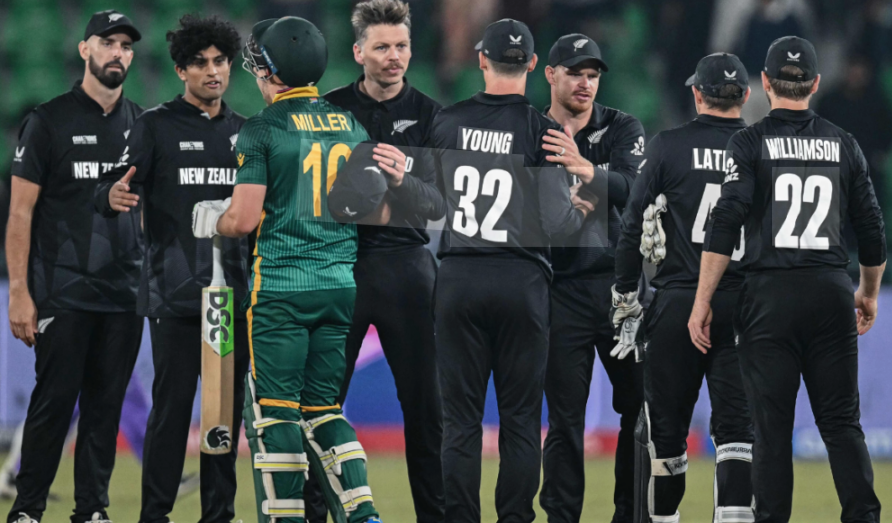
The rivalry between the South African and New Zealand cricket teams has grown steadily over decades, shaped by intense competition, contrasting playing styles, and unforgettable match moments. From early encounters where conditions favored disciplined bowling to modern high scoring battles driven by aggressive batting, this timeline reflects how both teams evolved together on the international stage. Each meeting brought new challenges, tactical adjustments, and standout performances that kept fans deeply engaged. Whether in Tests, ODIs, or ICC tournaments, the contests often swung on small margins, making every scorecard significant in shaping the broader cricket narrative between these two competitive sides.
Latest Matches
Date
Format
Venue
Winner
Margin
Player of the Match
25 March 2026
T20I
Christchurch
South Africa
33 runs
Reeza Hendricks
22 March 2026
T20I
Wellington
New Zealand
4 wickets
Glenn Phillips
20 March 2026
T20I
Hamilton
South Africa
6 wickets
Kagiso Rabada
18 March 2026
T20I
Auckland
New Zealand
18 runs
Finn Allen
15 March 2026
T20I
Christchurch
South Africa
5 wickets
Aiden Markram
04 March 2026
T20I
Kolkata
New Zealand
9 wickets
Finn Allen
Team Statistics Summary
Format
Total Matches
South Africa Wins
New Zealand Wins
Draws
No Result
Tied
Test
49
26
7
16
0
0
ODI
72
42
25
0
5
0
T20I
17
5
12
0
0
0
World Cup ODI
9
3
6
0
0
0
World Cup T20I
4
2
2
0
0
0
Champions Trophy
5
2
3
0
0
0
Individual Batting Records
Player
Team
Matches
Runs
Highest Score
Average
Century
Jacques Kallis
South Africa
37
2112
150
51.51
6
Kane Williamson
New Zealand
32
1894
133
46.19
5
Hashim Amla
South Africa
29
1623
134
49.18
4
Stephen Fleming
New Zealand
41
1588
134
33.78
2
Graeme Smith
South Africa
26
1482
148
44.90
3
Ross Taylor
New Zealand
34
1421
102
39.47
2
Individual Bowling Records
Player
Team
Matches
Wickets
Best Bowling
Average
5 Wicket Haul
Dale Steyn
South Africa
22
88
6 for 49
22.11
5
Tim Southee
New Zealand
28
79
5 for 55
27.34
3
Shaun Pollock
South Africa
31
74
6 for 30
21.45
2
Daniel Vettori
New Zealand
35
71
6 for 29
29.12
1
Makhaya Ntini
South Africa
19
67
6 for 59
24.83
3
Trent Boult
New Zealand
18
61
6 for 32
25.04
2
Early Encounters and First Impressions
The early phase of this cricket rivalry began with cautious approaches from both sides. One team relied heavily on pace dominance while the other focused on structured batting under pressure. In the first few meetings, matches were not one sided but leaned slightly toward disciplined bowling performances. Batters often struggled to adjust to bounce and movement, which created low scoring but highly competitive games. Field placements and captaincy decisions played a major role in shaping outcomes, especially during middle overs where wickets frequently fell in clusters. These early contests laid the foundation of respect between both teams, as neither could dominate consistently. Each encounter added small lessons about adaptability and temperament. Fans quickly noticed that matches between these sides rarely turned predictable, and even modest totals felt defendable due to bowling strength on both ends. Over time, these early clashes built the emotional and tactical base for what would become a long standing international cricket rivalry filled with evolving strategies and rising intensity across formats.
Match Type
Dominant Factor
Average Score Range
Key Strength
Outcome Pattern
ODI
Bowling control
Low to mid
Seam attack
Tight finishes
Test
Patience
Very low
Defensive play
Draws frequent
ODI
Fielding impact
Mid range
Catching standards
Balanced results
Test
Swing movement
Low scoring
Early wickets
Unstable starts
Rise of Competitive Balance
As international cricket developed, both sides began to find stronger footing. One team improved batting depth while the other refined tactical bowling rotations. This phase marked a shift from dominance to balance, where no side could easily overpower the other. Matches started producing closer finishes, and momentum swings became more frequent. Middle order batting became crucial, often deciding whether totals were defendable or chaseable. Bowlers adapted by using variations instead of relying only on pace or seam. Captains played a smarter role, focusing on matchups rather than general field setups. This period also saw players stepping up in pressure situations, creating new match winners on both sides. The rivalry became more structured and less predictable, with each match offering different conditions and challenges. Fans began anticipating closely fought contests rather than one sided results. The competitive balance established during this phase shaped the long term identity of the rivalry and elevated its global reputation in modern cricket discussions.
Aspect
Team A Strength
Team B Strength
Match Impact
Key Trend
Batting
Top order stability
Middle order power
Balanced scores
Consistent totals
Bowling
Seam attack
Variation bowling
Wicket distribution
Even contests
Captaincy
Aggressive field
Tactical shifts
Game control
Strategic battles
Fielding
Direct hits
Catch efficiency
Run saving
High intensity
ODI Clashes and Tactical Growth
One day international meetings between these sides became a stage for tactical experimentation and performance pressure. Batting strategies evolved with more focus on strike rotation and calculated aggression. Teams began analyzing pitch conditions more carefully, adjusting their lineups accordingly. Bowling units introduced slower balls, cutters, and wider lines to restrict scoring opportunities in the death overs. These matches often featured fluctuating momentum where a single over could change the direction of the game. Partnerships became essential, especially during run chases where early wickets created pressure situations. Both sides developed stronger bench depth, allowing flexible team combinations based on opposition weaknesses. Crowd energy also added pressure, especially in tightly contested matches where final overs decided results. These ODI encounters contributed significantly to shaping modern cricket strategies, as both teams learned from each other’s strengths and weaknesses. Over time, ODI matches became the most balanced and unpredictable format in this rivalry journey.
Phase
Batting Style
Bowling Plan
Key Factor
Result Nature
Early ODI
Conservative
Line length
Defense
Low scoring
Mid ODI
Balanced
Mixed pace
Adaptation
Close games
Modern ODI
Aggressive
Variations
Death overs
High scoring
Tournament
Pressure play
Tactical changes
Execution
Tight finishes
Test Matches and Mental Endurance
Test cricket between these sides highlighted patience, discipline, and mental strength. Matches often extended into five days with slow but strategic progress. Bowlers focused on building pressure through consistent line and length rather than sudden bursts of aggression. Batters were tested with movement in early sessions, requiring careful shot selection and long concentration spans. Low scoring innings were common, and even small partnerships carried significant value. Captains played a vital role in setting fields that could create wicket taking opportunities without conceding runs easily. Weather and pitch conditions often influenced outcomes, sometimes leading to draws despite strong performances. These matches became a test of endurance rather than explosive skill. Players who adapted to changing conditions stood out as match winners. Over time, Test encounters became symbolic of resilience and tactical depth, showcasing how both sides could challenge each other in the most demanding format of cricket.
Condition
Batting Difficulty
Bowling Advantage
Match Flow
Result Type
Green pitch
High
Seam bowlers
Early wickets
Low totals
Dry pitch
Medium
Spinners
Slow scoring
Draw likely
Cloudy weather
Very high
Swing bowlers
Collapse risk
Short innings
Flat pitch
Low
Batting ease
Balanced play
High draws
World Tournament Pressure Moments
In global tournaments, matches between these sides reached peak intensity. Every game carried high stakes, where qualification or elimination depended on small margins. Players faced extreme pressure, especially during knockout stages where mistakes were costly. Batting collapses and sudden partnerships became defining features of these encounters. Bowlers delivered their best spells under pressure, often changing the course of matches in a single over. Fielding standards also rose significantly, with run outs and diving catches becoming match defining moments. Tactical decisions by captains were heavily scrutinized, especially during final overs where every ball mattered. These tournament clashes created emotional highs and lows for fans, with celebrations and heartbreaks often happening within minutes. Over time, these matches built a legacy of unpredictability and intensity, making every tournament encounter a must watch contest. The pressure environment elevated individual performances and shaped long lasting cricket memories.
Tournament Stage
Pressure Level
Key Skill
Match Factor
Outcome Influence
Group stage
Medium
Consistency
Net run rate
Qualification
Quarter final
High
Execution
Fielding
Tight wins
Semi final
Very high
Temperament
Bowling control
Close finishes
Final stage
Extreme
Mental strength
Captaincy
Historic outcomes
Batting and Bowling Matchups
Individual battles between top batters and elite bowlers defined many turning points. Fast bowlers used pace and movement to challenge technique, while batters responded with timing and placement. Some matchups became iconic due to repeated encounters in high pressure games. Middle order players often played crucial roles in stabilizing innings after early setbacks. Bowlers focused on breaking partnerships rather than just taking early wickets. Variations in pace and angle became essential tools in limiting scoring opportunities. These matchups often dictated the direction of entire innings, especially in closely contested games. Fans closely followed these duels, as they often determined momentum shifts. Over time, both sides developed respect for each other’s strengths, leading to more strategic planning before matches. This phase highlighted the importance of individual brilliance within team frameworks and showed how key player battles could influence overall outcomes.
Batter Type
Bowler Style
Key Strength
Weakness Exploited
Match Impact
Aggressive
Fast seam
Power hitting
Short ball
Quick runs
Defensive
Swing bowler
Technique
Movement
Early wickets
Middle order
Spin attack
Stability
Pressure buildup
Recovery
Finisher
Mixed pace
Acceleration
Dot balls
Final overs
Modern Era Evolution
In recent years, both sides adapted to modern cricket demands with aggressive batting strategies and advanced analytics. Teams now focus on strike rates, power hitting zones, and flexible batting orders. Bowlers use data driven plans to target specific weaknesses of opposition players. Fielding has become faster and more precise, reducing scoring opportunities significantly. Matches in this era are generally high scoring, with frequent momentum shifts. Captains rely on real time decision making and match awareness. Younger players have brought fresh energy and fearlessness into the rivalry. This phase reflects a transformation from traditional cricket into a fast paced, entertainment driven format. Despite changes, competitive balance remains strong, with no side consistently dominating. Every match feels unpredictable, and outcomes often depend on execution in critical overs. The modern era continues to add new chapters to this evolving cricket journey.
Modern Factor
Team Approach
Impact Area
Key Improvement
Result Trend
Analytics
Data driven
Strategy
Match planning
Better execution
Batting power
Aggression
Scoring rate
Boundary hitting
High totals
Bowling variations
Smart changes
Death overs
Economy control
Close finishes
Fielding speed
Athletic focus
Run saving
Direct impact
Match control
Emotional Rivalry and Fan Energy
The emotional aspect of this rivalry plays a major role in its global appeal. Fans from both sides express strong passion during every encounter, whether it is a bilateral series or a major tournament. Stadium atmospheres become highly charged, with momentum shifts triggering loud reactions. Social media discussions amplify every performance, creating instant global engagement. Wins are celebrated with pride, while losses often lead to deep reflection and analysis. Players also feel this emotional pressure, which influences performance in key moments. National expectations add another layer of intensity, especially during knockout games. Over time, this emotional connection has turned matches into more than just sporting events, making them cultural experiences for supporters. The rivalry continues to grow not just because of statistics but because of the emotions attached to every contest.
Emotion Type
Fan Reaction
Match Trigger
Player Impact
Intensity Level
Excitement
Celebration
Big wickets
Motivation
High
Tension
Silence
Close chase
Pressure
Very high
Frustration
Debate
Collapse
Criticism
Medium
Joy
Celebration
Victory
Confidence
Extreme
Conclusion
The timeline of clashes between South Africa and New Zealand showcases a rivalry built on balance, respect, and constant evolution. Neither side has maintained long term dominance, which has made every encounter unpredictable and compelling. Over time, both teams have produced legendary performances, match defining spells, and pressure filled finishes that enriched cricket history. From early struggles to modern tactical battles, this rivalry highlights the importance of adaptability and temperament. As both teams continue to develop new talent and strategies, future encounters promise even more intensity, keeping this cricket relationship alive and highly competitive on the global stage.