India Women’s National Cricket Team Vs South Africa Women’s National Cricket Team Timeline
Table of Contents
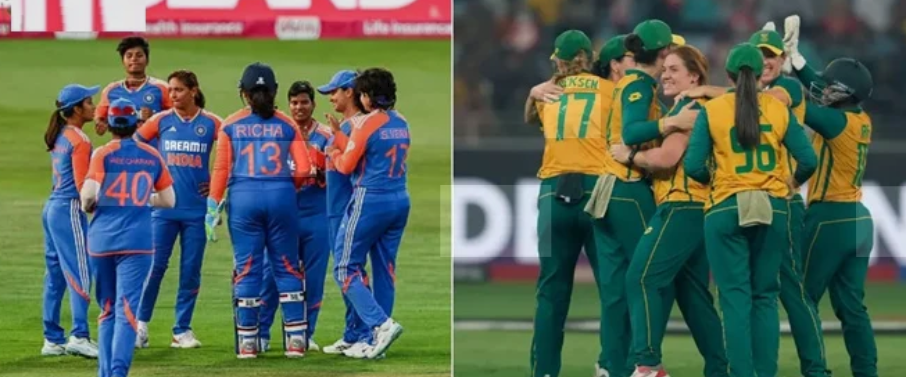
The rivalry between India Women and South Africa Women has developed into one of the most exciting contests in modern cricket From early bilateral series to high pressure ICC tournaments, both teams have produced unforgettable matches filled with tactical battles, emotional moments, and brilliant individual performances. India often relied on strong batting depth and spin bowling control, while South Africa built their success around aggressive pace attacks and fearless cricket. Over the years, close finishes and dramatic scorecards increased fan interest across the world. Every encounter now carries greater intensity because both teams continue fighting for dominance in international women’s cricket with confidence, skill, and growing global recognition.
Recent Matches Table
Date
Match Format
Venue
Winner
Margin
Toss Winner
Player of the Match
April 17 2026
T20 International
Durban
South Africa
6 wickets
South Africa
Laura Wolvaardt
April 19 2026
T20 International
Durban
South Africa
8 wickets
India
Marizanne Kapp
April 22 2026
T20 International
Johannesburg
South Africa
9 wickets
South Africa
Tazmin Brits
April 25 2026
T20 International
Johannesburg
India
14 runs
India
Smriti Mandhana
April 27 2026
T20 International
Benoni
South Africa
23 runs
South Africa
Chloe Tryon
July 9 2024
T20 International
Chennai
India
10 wickets
India
Pooja Vastrakar
July 7 2024
T20 International
Chennai
South Africa
12 runs
India
Laura Wolvaardt
Team Statistics Summary Table
Format
Total Matches
India Won
South Africa Won
No Result
India Highest Score
South Africa Highest Score
Test Matches
3
3
0
0
603
373
One Day Internationals
31
18
12
1
325
302
T20 Internationals
22
10
11
1
185
177
World Cup ODI
6
4
2
0
298
246
World Cup T20
3
2
1
0
134
130
Matches In India
25
14
10
1
603
373
Matches In South Africa
28
17
10
1
279
249
Individual Batting Records Table
Player Name
Team
Match Format
Total Runs
Highest Score
Batting Average
Strike Rate
Smriti Mandhana
India
ODI
1152
136
48.00
85.33
Laura Wolvaardt
South Africa
ODI
1084
135
45.16
78.41
Mithali Raj
India
ODI
954
109
47.70
69.23
Mignon du Preez
South Africa
ODI
933
90
34.55
72.15
Harmanpreet Kaur
India
T20I
542
72
31.88
120.44
Lizelle Lee
South Africa
ODI
652
132
43.46
79.12
Shafali Verma
India
Test
229
205
114.50
103.53
Individual Bowling Records Table
Player Name
Team
Match Format
Total Wickets
Best Bowling
Economy Rate
Bowling Average
Jhulan Goswami
India
ODI
33
4 for 24
3.45
21.87
Shabnim Ismail
South Africa
ODI
30
4 for 30
3.66
23.43
Marizanne Kapp
South Africa
ODI
26
3 for 22
3.91
27.57
Rajeshwari Gayakwad
India
ODI
23
4 for 46
4.10
22.30
Deepti Sharma
India
T20I
21
4 for 16
5.82
18.54
Poonam Yadav
India
T20I
19
3 for 18
5.65
19.21
Sune Luus
South Africa
ODI
18
4 for 43
4.48
26.11
When Two Strong Teams Started Building A Fierce Contest
The early meetings between these two sides were not filled with massive headlines, but they quietly created a competitive atmosphere that later became one of the most respected battles in women’s cricket. India relied heavily on patience, technical batting, and disciplined spin bowling, while the South African side preferred aggressive fast bowling and sharp fielding standards. Every match slowly increased the pressure between the teams because close scorecards kept appearing in ODI and T20 cricket. Senior players from both camps understood that momentum often changed within a few overs, making every run valuable. Fans also started following these matches closely because the contests rarely looked one sided. Tactical captaincy, careful bowling changes, and partnerships under pressure became common themes in almost every encounter during the early years of this growing rivalry.
Series
Format
Winner
Key Performer
India Tour 2002
ODI
India
Jhulan Goswami
South Africa Tour 2005
ODI
South Africa
Cri-Zelda Brits
Bilateral Clash 2008
T20I
India
Mithali Raj
ICC Event 2009
ODI
South Africa
Mignon du Preez
The Calm Leadership That Changed Big Matches
Leadership played a major role in shaping the direction of many unforgettable contests between these teams. Calm decision making during difficult moments often separated victory from defeat. Indian captains focused on slowing the game through spin rotations and field placement adjustments, while South African leaders pushed aggressive bowling plans and attacking field setups. Experienced batters absorbed pressure in tense run chases and allowed younger players to attack freely later in the innings. Several close finishes proved how important composure became in high scoring matches and low scoring thrillers alike. The rivalry gained emotional depth because both sides respected each other’s tactical discipline while still fighting intensely for dominance. Fans admired the visible determination shown by players during tight moments where one over completely changed the direction of the contest.
Captain
Team
Major Strength
Memorable Impact
Mithali Raj
India
Calm batting
Match stability
Harmanpreet Kaur
India
Aggressive intent
Fast scoring
Dane van Niekerk
South Africa
Tactical captaincy
Bowling changes
Laura Wolvaardt
South Africa
Batting control
Consistent starts
Fast Bowlers And Spinners Turning Matches Around
Bowling attacks often became the biggest talking point whenever these teams faced each other. India depended heavily on accurate spin bowling during middle overs, using variations and flight to slow scoring opportunities. South Africa answered with pace, bounce, and disciplined seam movement that troubled even experienced batters. Many scorecards reflected how bowlers controlled the pressure better than batters during difficult conditions. Some matches completely shifted after quick wickets during powerplays, while others changed because spinners dominated the middle phase. The rivalry became more exciting because the bowling styles of both teams were very different. Tactical planning from bowlers frequently forced batters into mistakes at critical stages. Several unforgettable performances came from bowlers who delivered breakthroughs exactly when their teams needed momentum.
Bowler
Team
Best Skill
Match Impact
Jhulan Goswami
India
Swing bowling
Early wickets
Deepti Sharma
India
Spin control
Middle overs
Shabnim Ismail
South Africa
Extreme pace
Pressure spells
Marizanne Kapp
South Africa
Seam movement
Crucial breakthroughs
Batting Partnerships That Shifted Momentum
Several important matches between these sides were shaped by partnerships built under pressure situations. India often relied on technically sound batting combinations that focused on rotating strike and building innings patiently. South Africa preferred aggressive partnerships where boundaries arrived regularly and scoreboard pressure increased quickly. These contrasting approaches created fascinating tactical battles during ICC tournaments and bilateral series. Some of the most memorable encounters included recoveries from difficult situations after early collapses. Experienced players guided younger teammates during tense run chases and helped maintain composure in front of large crowds. Fans connected emotionally with these moments because partnerships often reflected resilience and mental strength rather than just attacking cricket. Many victories became possible only because two players stayed calm while the rest of the batting order struggled.
Partnership
Team
Runs Added
Match Result
Mandhana and Harmanpreet
India
122
India Win
Wolvaardt and Kapp
South Africa
105
South Africa Win
Mithali and Punam Raut
India
98
Competitive Total
du Preez and Lee
South Africa
110
Successful Chase
ICC Tournaments Raising The Emotional Pressure
ICC tournaments added a completely different emotional layer to this rivalry because every mistake suddenly carried greater consequences. Bilateral matches were competitive, but World Cup contests brought visible tension, crowd pressure, and strategic caution. Players understood that knockout qualification often depended on these matches, which increased the intensity dramatically. Indian supporters expected strong batting performances from star players, while South African fans demanded aggressive cricket and fearless decision making. Tight scorecards during global tournaments created unforgettable moments that still remain part of cricket discussions today. Bowling attacks operated with greater discipline, fielders showed extra energy, and captains carefully controlled every phase of the game. Several matches remained undecided until the final overs, proving how evenly balanced the rivalry became during important ICC events.
Tournament
Format
Result
Turning Point
Women’s World Cup
ODI
India Win
Middle overs spin
T20 World Cup
T20I
South Africa Win
Powerplay attack
ICC Group Match
ODI
Close Finish
Final over
ICC Semi Final Race
ODI
India Win
Batting partnership
Modern Stars Carrying The Rivalry Forward
The modern generation transformed this contest into one of the most entertaining rivalries in women’s cricket. Young players entered the stage with fearless batting approaches, athletic fielding, and aggressive intent from the very beginning. India’s batting unit started playing with greater freedom, while South Africa developed a more balanced attack capable of adapting to different conditions. Modern T20 cricket also changed strategies because teams focused heavily on powerplay scoring and death over execution. Fans became emotionally invested through social media discussions, viral moments, and dramatic finishes that kept increasing the popularity of women’s cricket globally. The rivalry now represents more than bilateral competition because it showcases how quickly the women’s game has evolved in professionalism, intensity, and tactical awareness over recent years.
Modern Star
Team
Specialty
Major Contribution
Smriti Mandhana
India
Strokeplay
Fast starts
Harmanpreet Kaur
India
Aggressive batting
Match finishing
Laura Wolvaardt
South Africa
Elegant batting
Consistency
Ayabonga Khaka
South Africa
Controlled bowling
Death overs
Why Every New Contest Still Feels Unpredictable
One reason this rivalry continues attracting attention is the unpredictability attached to every match. Even when one side appears stronger on paper, momentum can change suddenly because both teams possess match winners capable of dominating crucial phases. Tactical flexibility has become extremely important in recent years as captains constantly adjust bowling plans, batting positions, and field settings according to conditions. The emotional energy from players is also visible because every contest now carries historical importance. Younger cricketers entering this rivalry understand the expectations created by previous generations and attempt to leave their own mark through memorable performances. Fans continue following each encounter closely because the matches regularly produce tense finishes, brilliant individual displays, and scorecards filled with dramatic momentum swings that perfectly represent elite women’s cricket.
Recent Match
Venue
Winner
Key Moment
ODI Series Match
Chennai
India
Spin dominance
T20I Thriller
Cape Town
South Africa
Final over finish
ICC Clash
Dubai
India
Top order recovery
Bilateral Decider
Bengaluru
South Africa
Pace bowling spell
Conclusion
The journey between these two teams reflects the rapid growth of women’s cricket across the world. Every series added new heroes, unforgettable partnerships, and pressure moments that shaped the rivalry into a respected international contest. Experienced players inspired younger generations while modern stars brought fresh energy and aggressive intent into the competition. Tactical battles, emotional crowd reactions, and dramatic finishes continue making these matches highly anticipated among cricket fans. The rivalry is no longer just about winning matches because it now represents consistency, professionalism, and the rising standard of women’s cricket. Future encounters promise even more excitement as both sides continue building their legacy on the international stage.