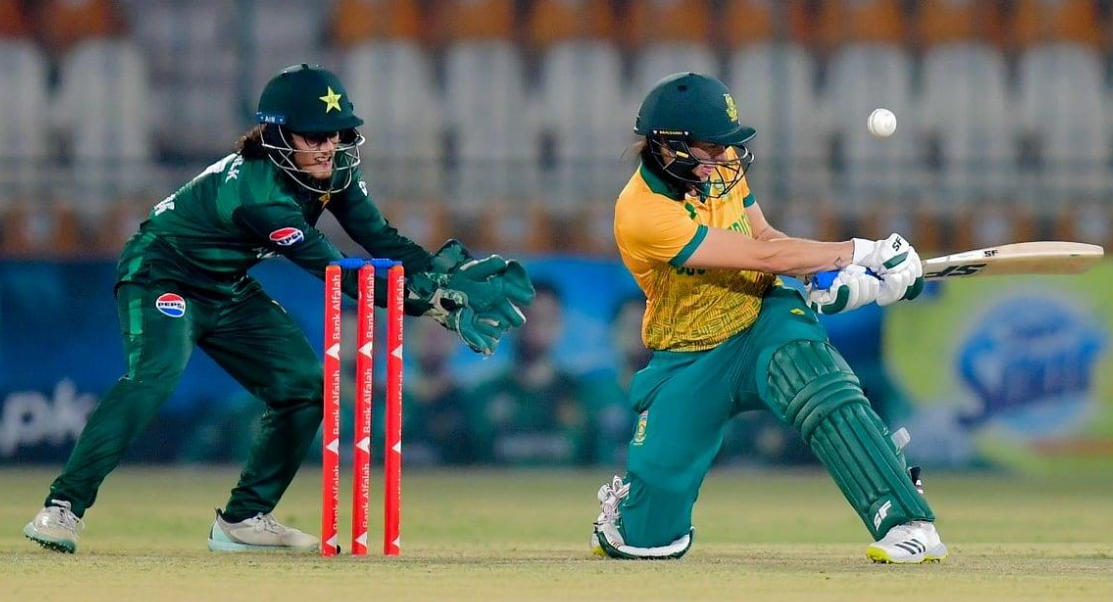
Pakistan Women’s National Cricket Team Vs South Africa Women’s National Cricket Team Timeline
The rivalry between these two sides reflects a journey of growth, contrast, and evolving competitiveness in international women’s cricket Early encounters were shaped by experience gaps, where one team relied on structure and consistency while the other focused on learning and adaptation. Over time, the matches became more balanced as tactical improvements, stronger bowling attacks, and better batting partnerships emerged. Each meeting added new layers to the contest, bringing pressure moments, individual brilliance, and shifting momentum. This timeline captures how the rivalry developed from one-sided beginnings into a more competitive and emotionally charged international cricket story.
Recent Matches Table
Date
Format
Venue
Winner
Margin
First Innings Score
Second Innings Score
2026-03-01
ODI
Durban
Pakistan
119 runs
306/8
187
2026-02-25
ODI
Centurion
South Africa
16 runs
361/8
345
2026-02-22
ODI
Bloemfontein
South Africa
37 runs
260/6
223
2026-02-16
T20I
Kimberley
Pakistan
53 runs
144/7
91
2026-02-13
T20I
Benoni
South Africa
6 wickets
100/9
104/4
2026-02-10
T20I
Potchefstroom
South Africa
5 wickets
180/9
185/5
2025-10-21
ODI
Colombo
South Africa
150 runs
312/9
83/7
Team Statistics Summary Table
Format
Matches Played
South Africa Won
Pakistan Won
Tied
No Result
Win Percentage SA
One Day International
34
25
7
1
1
73.52
Twenty20 International
22
12
10
0
0
54.54
World Cup Matches
5
5
0
0
0
100.00
Matches in Pakistan
12
6
6
0
0
50.00
Matches in South Africa
24
16
7
1
1
66.66
Neutral Venues
10
8
2
0
0
80.00
Overall Combined
56
37
17
1
1
66.07
Individual Batting Records Table
Player Name
Team
Matches
Innings
Total Runs
Highest Score
Batting Average
Laura Wolvaardt
South Africa
28
27
1104
124
44.16
Javeria Khan
Pakistan
25
25
785
74
31.40
Muneeba Ali
Pakistan
19
19
612
102
32.21
Tazmin Brits
South Africa
18
18
589
78
34.64
Aliya Riaz
Pakistan
24
22
541
81
28.47
Marizanne Kapp
South Africa
17
15
498
69
38.30
Sidra Ameen
Pakistan
16
16
473
91
29.56
Individual Bowling Records Table
Player Name
Team
Matches
Overs Bowled
Wickets Taken
Bowling Economy
Best Bowling
Shabnim Ismail
South Africa
22
178.4
41
3.65
5/14
Nashra Sandhu
Pakistan
21
164.2
33
4.12
6/26
Marizanne Kapp
South Africa
17
124.1
26
3.94
4/24
Sadia Iqbal
Pakistan
15
118.0
22
4.35
3/21
Nida Dar
Pakistan
26
182.5
21
4.62
3/12
Ayabonga Khaka
South Africa
16
112.3
19
4.21
4/33
Fatima Sana
Pakistan
14
98.2
18
5.18
3/40
Early Encounters That Shaped the Rivalry Foundation
The first meetings between these two sides created a clear picture of contrasting cricket styles and international experience. One team arrived with a stronger pace attack, aggressive field settings, and greater confidence in pressure moments, while the other side focused on building consistency and adapting to the demands of elite women’s cricket. Early matches often reflected a learning phase where batting collapses, missed chances, and pressure handling became major talking points. Despite difficult beginnings, those contests laid the foundation for future improvement and helped develop competitive spirit within the squad. Several players began understanding how to handle swing bowling, rotating strike, and defending totals under pressure. Fans slowly started noticing that every series brought new energy and tactical growth. These matches were not only about victories and defeats but also about building belief, learning from mistakes, and creating the emotional intensity that later defined this growing international rivalry between two determined cricketing nations.
Match
Venue
Winning Side
Key Performer
Result Margin
ODI Match
Karachi
South Africa Women
Fast Bowler Spell
6 Wickets
T20 Match
Durban
South Africa Women
Opening Batter
28 Runs
ODI Match
Pretoria
South Africa Women
All Round Display
82 Runs
T20 Match
Lahore
Pakistan Women
Spin Bowling Attack
4 Wickets
Building Years of International Exposure
As international exposure increased, both teams started developing stronger cricket structures and tactical awareness. Training systems improved, fitness standards became higher, and players gained confidence by participating in global ICC tournaments. Batters learned how to build innings patiently, while bowlers focused on disciplined line and length during middle overs. Coaches introduced smarter field placements and matchup strategies against dangerous opposition players. The contests became more balanced because both sides started reading conditions more effectively and adjusting plans during pressure situations. Young players emerged with fearless attitudes, creating healthy competition within the squads. Fans witnessed improved fielding standards, sharper running between wickets, and more calculated bowling changes. Several matches became closer than expected, proving that the rivalry was no longer one sided. International exposure helped players handle tense moments calmly and transformed ordinary bilateral matches into emotionally charged battles where momentum shifted rapidly between both teams.
Series
Format
Venue
Best Batter
Match Outcome
Bilateral Series
ODI
Cape Town
Middle Order Player
Close Victory
ICC Event
T20
Sydney
Aggressive Opener
Final Over Finish
Home Series
ODI
Karachi
Captain Innings
3 Wicket Win
Away Tour
T20
Johannesburg
Spin All Rounder
12 Run Victory
First Competitive Breakthrough Moments for Pakistan
The rivalry reached a turning point when competitive performances started replacing one sided defeats. Batters showed greater patience against pace bowling and managed pressure situations with improved maturity. Bowlers attacked stumps more consistently and created wicket taking opportunities during middle overs. Several close finishes gave supporters hope that future contests could become unpredictable and exciting. Team management also focused on building partnerships instead of relying on individual brilliance alone. One memorable match featured a disciplined bowling display where a modest total was defended through accurate spin and controlled fielding. Another contest saw lower order resistance frustrate the opposition during a tense chase. These breakthrough moments strengthened team confidence and changed the psychological balance of the rivalry. The dressing room atmosphere improved because players finally believed they could challenge stronger opponents in high pressure situations. Fans responded emotionally to every close finish, making the rivalry more engaging and meaningful.
Match Type
Ground
Top Score
Best Bowling
Result
ODI Clash
Lahore
74 Runs
4 Wickets
Narrow Win
T20 Battle
Durban
52 Runs
Spin Spell
5 Run Finish
ODI Match
Karachi
Captain Fifty
Pace Attack
Last Over Result
T20 Contest
Centurion
61 Runs
Economy Spell
3 Wicket Win
South Africa’s Dominance Era and Tactical Control
There was a phase when tactical discipline and superior execution allowed one side to control most contests comfortably. Strong opening partnerships created pressure early, while aggressive middle order batting accelerated scoring rates during death overs. Bowlers attacked with pace, bounce, and intelligent variations that often restricted scoring opportunities. Fielding standards also played a major role because direct hit run outs and diving catches shifted momentum quickly. Captains made sharp bowling changes and adjusted field placements according to match situations. Opponents struggled to recover after losing wickets in clusters during powerplays. Several scorecards reflected complete domination through all departments of the game. Fans admired the professional approach, tactical awareness, and fearless intent shown during crucial moments. This era demonstrated how consistency, preparation, and mental strength could separate strong international teams from developing sides still searching for stability in high pressure cricket environments.
Tournament
Venue
Highest Score
Bowling Figures
Victory Margin
ODI Series
Pretoria
96 Runs
5 Wickets
78 Runs
T20 Series
Durban
68 Runs
Fast Bowling Spell
9 Wickets
ICC Match
Wellington
Century Knock
Spin Control
45 Runs
Bilateral Match
Cape Town
81 Runs
Seam Attack
7 Wickets
Pakistan’s Bowling Revolution and Turning Point Phase
A major transformation arrived when spin bowling became the central strength of the team strategy. Bowlers focused on accuracy, slower flight, and pressure building through dot balls. Batters from the opposition found it difficult to attack freely during middle overs because field placements supported defensive tactics effectively. Several low scoring matches suddenly became competitive due to disciplined bowling spells and energetic fielding support. Captains trusted spin options even during pressure overs, which created unexpected breakthroughs. Young bowlers emerged with fearless attitudes and developed reputations for performing in tense situations. Defending small totals became possible because bowlers consistently attacked stumps and forced risky shots. Fans started celebrating bowling performances with the same excitement usually reserved for big batting innings. This tactical shift changed the overall direction of the rivalry and proved that smart bowling plans could neutralize stronger batting lineups on difficult surfaces.
Match Event
Stadium
Defended Total
Best Bowler
Final Result
ODI Match
Karachi
189 Runs
4 Wicket Spell
11 Run Win
T20 Match
Lahore
122 Runs
Spin Attack
6 Run Victory
ICC Fixture
Dubai
145 Runs
Economy Bowling
Narrow Finish
Bilateral Clash
Durban
131 Runs
Middle Overs Control
2 Wicket Result
High Pressure ICC Tournament Clashes
ICC tournament meetings added greater emotional pressure and international attention to this rivalry. Every over carried significance because qualification hopes and national pride were connected to match results. Captains relied heavily on tactical planning, especially during powerplays and death overs where momentum could shift instantly. Batters played cautiously at the beginning before accelerating under scoreboard pressure. Bowlers focused on minimizing boundary opportunities while forcing risky shots through disciplined lengths. Several tournament matches were decided during final overs, creating unforgettable tension for players and supporters. Fielding efforts became more intense because one dropped catch or missed run out could change the entire outcome. Experienced players handled pressure calmly, while younger cricketers learned valuable lessons about performing on the world stage. Fans followed every delivery emotionally, making these encounters some of the most dramatic and memorable chapters in the growing rivalry between the two national sides.
ICC Event
Venue
Match Hero
Turning Point
Result
World Cup Match
New Zealand
Opening Batter
Powerplay Burst
5 Wicket Win
T20 World Cup
Australia
Spin Bowler
Final Over Pressure
7 Run Victory
ICC Group Match
Dubai
Captain Performance
Run Out Moment
Narrow Win
Global Tournament
England
Fast Bowler
Middle Order Collapse
36 Run Result
Batting Battles and Star Player Rivalries
One of the most fascinating aspects of this rivalry has been the battle between elite batters and disciplined bowling attacks. Aggressive openers attempted to dominate during powerplays, while bowlers responded with swing, bounce, and clever variations. Certain player contests became major attractions because fans eagerly waited to see who would win those personal duels under pressure. Experienced batters often anchored innings carefully before accelerating against weaker bowling combinations. On the other side, spinners targeted middle overs to break partnerships and slow scoring rates. Several memorable matches featured dramatic momentum shifts after key wickets or counterattacking innings. Partnerships under pressure often changed the direction of close games and created emotional reactions among supporters. These individual battles added personality and intensity to the rivalry, transforming ordinary cricket matches into deeply competitive contests filled with skill, pride, and tactical brilliance from both teams.
Rivalry Match
Key Batter
Runs Scored
Key Bowler
Match Result
ODI Contest
Senior Opener
88 Runs
Leg Spinner
4 Wicket Win
T20 Clash
Aggressive Batter
63 Runs
Pace Bowler
14 Run Result
ICC Match
Captain Knock
71 Runs
Spin Attack
Last Over Finish
Bilateral Game
Middle Order Star
57 Runs
Swing Bowler
3 Wicket Victory
Conclusion
The evolution of this rivalry highlights how persistence and development can gradually reshape competitive balance in sport. What once appeared as a mismatch slowly transformed into a contest defined by strategy, discipline, and key performances under pressure. Both teams contributed to the intensity of the timeline through breakthrough moments, tactical adjustments, and memorable match situations. While one side often maintained an edge in consistency, the other showed steady improvement that kept the contests unpredictable. Today, the rivalry stands as a symbol of progress in women’s cricket, reflecting how experience and learning can close gaps over time.