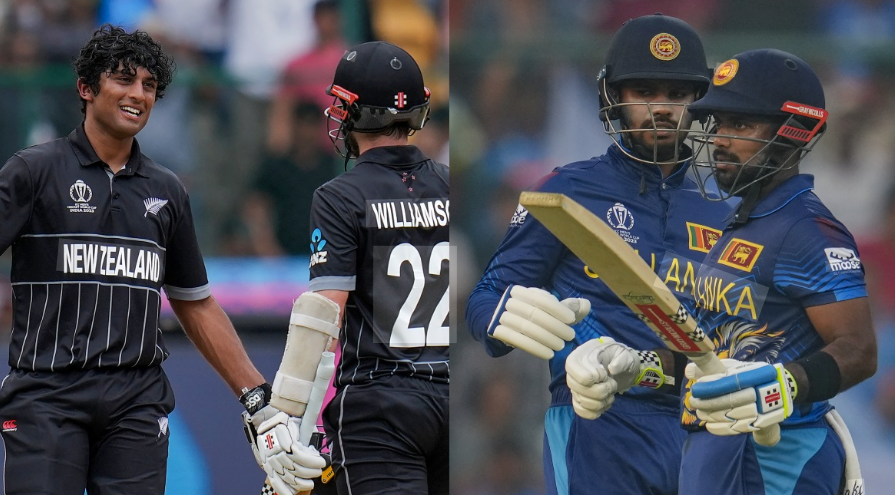
Sri Lanka National Cricket Team Vs New Zealand National Cricket Team Timeline
Table of Contents
The cricket rivalry between Sri Lanka and New Zealand has developed into one of the most tactically interesting matchups in international cricket. From early encounters shaped by cautious batting and disciplined bowling to modern games defined by aggressive scoring and data driven strategies, both teams have consistently pushed each other to adapt. Sri Lanka’s spin focused approach has often tested New Zealand’s technical batting, while New Zealand’s swing and seam attack has repeatedly challenged Sri Lanka’s top order. Over time, this contest has produced memorable scorecards, match defining spells, and moments of individual brilliance that have kept fans engaged across formats.
Latest Matches Table
Date
Venue
Format
Winner
Margin
25 Feb 2026
Colombo
T20I
New Zealand
61 runs
11 Jan 2025
Hamilton
ODI
New Zealand
4 wickets
08 Jan 2025
Wellington
ODI
New Zealand
7 wickets
05 Jan 2025
Auckland
ODI
Sri Lanka
140 runs
02 Jan 2025
Nelson
T20I
Sri Lanka
7 runs
30 Dec 2024
Tauranga
T20I
New Zealand
9 wickets
28 Dec 2024
Auckland
T20I
New Zealand
5 wickets
19 Nov 2024
Pallekele
ODI
Sri Lanka
3 wickets
17 Nov 2024
Pallekele
ODI
Sri Lanka
3 wickets
10 Nov 2024
Dambulla
T20I
New Zealand
5 runs
All-Time Head-to-Head Record Table
Format
Matches
Sri Lanka Wins
New Zealand Wins
Draws / No Result
Test
38
11
18
9
ODI
105
44
54
7
T20I
24
9
12
3
Total
167
64
84
19
All-Time Batting Leaders Table
Player
Team
Matches
Runs
Highest Score
Average
Kumar Sangakkara
Sri Lanka
77
2911
156
41.58
Mahela Jayawardene
Sri Lanka
86
2618
115
34.90
Kane Williamson
New Zealand
46
2154
242
48.95
Ross Taylor
New Zealand
59
2011
142
39.43
Stephen Fleming
New Zealand
58
1944
274
36.67
Sanath Jayasuriya
Sri Lanka
72
1921
120
29.10
Tillakaratne Dilshan
Sri Lanka
56
1712
116
35.66
Martin Guptill
New Zealand
41
1542
138
41.67
All-Time Bowling Leaders Table
Player
Team
Matches
Wickets
Best Bowling
Average
Muttiah Muralitharan
Sri Lanka
67
156
7/87
21.03
Tim Southee
New Zealand
51
114
5/55
26.41
Chaminda Vaas
Sri Lanka
56
103
5/16
27.12
Daniel Vettori
New Zealand
62
98
6/64
29.89
Lasith Malinga
Sri Lanka
44
82
5/6
24.56
Trent Boult
New Zealand
32
76
6/30
23.15
Chris Cairns
New Zealand
35
69
4/16
28.44
Sanath Jayasuriya
Sri Lanka
72
68
5/39
32.10
Early International Meetings and First Competitive Signals
The opening phase of this cricket rivalry began with cautious gameplay from both sides. One team relied heavily on spin control in home-like conditions, while the other focused on disciplined seam bowling and tight field setups. Early matches were not high scoring but showed clear intent from both teams to dominate mentally. Batters struggled to settle against disciplined bowling attacks, and low totals often created pressure situations. Fielding also played a big role, with several run-out chances shifting momentum. These matches set the tone for a long-standing competitive relationship where neither side allowed easy dominance. Over time, small individual performances began shaping match outcomes, especially in middle overs where control became crucial.
Match Type
Winner Pattern
Top Strength
Key Challenge
ODI
Close contests
Spin control
Middle overs scoring
Test
Draws/decisive
Bowling discipline
Pitch adaptation
ODI
Balanced wins
Seam movement
Top order collapse
Test
Low scoring
Patience batting
Swing conditions
Development of ODI Competitive Structure
As the rivalry progressed, ODI matches started showing more structure and intent. Teams began planning innings more strategically, focusing on building partnerships rather than quick scoring. One side developed strong middle-order recovery ability, while the other improved death-over control with disciplined bowling changes. Matches often fluctuated after powerplay overs, making every phase critical. Bowlers adapted by using slower deliveries and wider lines, while batters started rotating strike more effectively. The competition became more balanced, and scorecards reflected tighter margins. Crowd engagement also increased as matches became less predictable and more tactical in nature.
Phase
Batting Approach
Bowling Strategy
Match Flow
Powerplay
Aggressive start
Early swing attack
Fast wickets
Middle
Stability focus
Spin control
Slow scoring
Death
Acceleration
Yorker planning
Tight finishes
Overall
Balanced build
Mixed attack
Unpredictable
Test Match Evolution and Long Format Battles
In longer format cricket, both teams displayed patience and resilience. Test matches often became battles of endurance, where batting collapses and long partnerships defined outcomes. Bowlers played a major role by exploiting pitch deterioration over multiple days. One team frequently relied on spin dominance in later innings, while the opposition used seam movement early in matches. Several games saw dramatic momentum shifts across sessions, especially after lunch breaks or final day pressure scenarios. Tactical declarations and field adjustments added depth to the competition, making every session crucial.
Session
Dominant Side
Key Factor
Outcome Influence
Morning
Seam attack
Swing movement
Early wickets
Afternoon
Batting recovery
Pitch stability
Partnership build
Evening
Spin control
Pitch wear
Collapse chances
Final Day
Mixed pressure
Mental strength
Match result
Emergence of Key Performers and Match Influencers
Over time, standout players began shaping match outcomes consistently. Certain batters developed reputations for anchoring innings under pressure, while bowlers became known for breaking partnerships at critical moments. These individuals often changed the direction of matches within a few overs. Fielding also improved significantly, with direct hits and boundary saves becoming game-changing moments. The rivalry became less about teams and more about individual brilliance deciding key phases of matches. Consistency played a major role in defining long-term success in this competitive timeline.
Player Role
Impact Area
Contribution Type
Match Influence
Top Batter
Anchoring innings
Consistency
High
Fast Bowler
Early breakthroughs
Wicket taking
High
Spinner
Middle overs control
Pressure building
Medium
Fielder
Run saving
Direct impact
Medium
Tactical Shifts and Bowling Philosophy Changes
As matches evolved, tactical planning became more sophisticated. Teams began analyzing opposition weaknesses more deeply, adjusting bowling lengths and batting order strategies. One side emphasized swing and seam in early overs, while the other leaned on spin variations and slower balls. Captains played a key role in rotating bowlers effectively based on match situations. This tactical evolution made matches more unpredictable and competitive. Adjustments during mid-match phases often decided final outcomes rather than pre-match planning.
Strategy Phase
Approach
Execution Style
Result Impact
Early Overs
Swing attack
Fast bowlers
Wickets
Middle Overs
Spin control
Variation bowling
Pressure
Death Overs
Yorker focus
Controlled pace
Run restriction
Tactical
Field changes
Adaptive captaincy
Match shift
High Pressure Tournament Encounters
In global tournaments, pressure levels increased significantly. Matches were often decided by small moments such as dropped catches or quick scoring bursts. Teams entered these games with cautious strategies but quickly shifted to aggressive intent when required. Crowd pressure and tournament stakes influenced decision-making, especially during run chases. These matches are often remembered for their emotional intensity and unpredictable outcomes, where form on paper did not always reflect final results.
Tournament Stage
Pressure Level
Key Factor
Match Outcome
Group Stage
Medium
Net run rate
Balanced results
Knockout
High
Mental strength
Close finishes
Semi-final
Very high
Execution
Tight wins
Final Stage
Extreme
Pressure handling
Decisive moments
Modern Era Transition and Current Competitive Balance
In the modern phase, the rivalry shifted toward faster scoring formats and more aggressive gameplay. T20 influence changed batting approaches, with strike rates becoming more important than long innings. Bowlers adapted with variations like slower balls and wide yorkers. Both teams now rely heavily on analytics and match data to prepare strategies. The competition remains balanced, with each side capable of winning on their day depending on conditions and execution. This era reflects a more dynamic and fast-paced version of their long cricketing journey.
Era
Playing Style
Key Change
Match Trend
Early
Defensive
Low scoring
Balanced
Middle
Tactical
Strategy focus
Tight games
Modern
Aggressive
High strike rate
Fast results
Current
Data-driven
Analytics use
Unpredictable
Conclusion
The timeline of matches between Sri Lanka and New Zealand reflects a balanced and evolving cricket rivalry. Neither team has maintained complete dominance, as conditions, formats, and player form have constantly shifted momentum. From Test battles of patience to fast paced limited overs encounters, both sides have delivered competitive performances and memorable highlights. Key players on both teams have shaped outcomes through consistent contributions in batting, bowling, and fielding. Today, this rivalry stands as a symbol of adaptability and tactical growth in international cricket, continuing to produce closely fought matches and compelling cricketing narratives for fans worldwide.